The role of the gut microbiome in the development of autism: discoveries and perspectives
It has been scientifically proven that there is a connection between the gut microbiome and autism
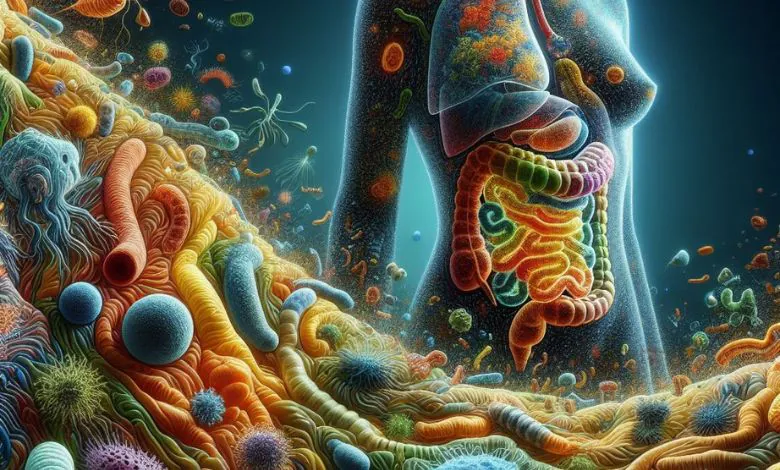
Recent studies have shown that the gut microbiome plays a crucial role in the development and functioning of the immune system and the central nervous system. This is because the intestines are populated by trillions of bacteria, fungi, and viruses that make up the gut microbiome. This microbiome is essential for digestion, nutrient absorption, and the production of vitamins and enzymes.
A decrease in bacterial diversity and altered microbiome composition have been observed in children with autism. These imbalances can affect immune system function and contribute to chronic inflammation in the body. It has also been found that certain bacterial species are more common in the microbiome of children with autism, while others are less present.
Another important aspect is the connection between the gut microbiome and the brain. It has been discovered that the gut and brain constantly communicate via the gut-brain axis. This communication is achieved through chemicals produced by gut bacteria, which can reach the brain and influence its functioning.
In light of these findings, researchers are trying to understand how changes in the gut microbiome may affect brain development and function in children with autism. Studies have shown that certain substances produced by gut bacteria can have neurological effects and influence behavior and cognitive functioning.
While these findings are promising, it's important to note that research in this area is still in its early stages. More studies are needed to fully understand the mechanisms by which the gut microbiome may influence the development and manifestations of autism.
Further study: https://www.sfari.org/2023/06/26/new-research-clarifies-connection-between-autism-and-the-microbiome/
Perspectives
His studies have paved the way for the development of microbiome-based interventions for children with autism. These interventions may include dietary modifications, probiotic or prebiotic supplementation, and other strategies designed to optimize the composition of the gut microbiome in the hope of improving autism symptoms.
Supplementation with probiotics and prebiotics
One of the relevant studies in this field is the study entitled „"The impact of probiotic administration on the microbiome and behavioral symptoms in children with autism spectrum disorders (ASD)"”. This study was conducted by a group of researchers and published in the journal "Nutrients" in 2019.
The main aim of this study was to evaluate how probiotic administration influences gut microbiome composition and behavioral symptoms in children with autism spectrum disorders.
The study involved a sample of children aged 3 to 9 years diagnosed with ASD who were divided into two groups: a group that received probiotics and a control group that received a placebo. The study duration was six weeks.
The results of the study showed that probiotic administration led to a significant change in the composition of the gut microbiome in children with ASD. In particular, an increase in microbiome diversity and a change in the relative proportion of certain bacterial species were observed.
Regarding behavioral symptoms, significant improvements were observed in the probiotic group compared to the placebo control group. These improvements included reductions in anxiety symptoms, repetitive behaviors, and other symptoms associated with ASD.
The study concluded that probiotic administration may have a beneficial effect on the composition of the gut microbiome and may contribute to the improvement of behavioral symptoms in children with autism spectrum disorders. However, further studies are needed to confirm and extend these findings and to determine the precise mechanisms by which probiotics influence the microbiome and behavioral symptoms in children with ASD.
Link to the study: [Impact of probiotic administration on the microbiome and behavioral symptoms in children with autism spectrum disorders](https://www.ncbi.nlm.nih.gov/pmc/articles/PMC6723895/)
Fecal microbiota transfer
A relevant study in this context is "Long-term benefit of Microbiota Transfer Therapy on autism symptoms and gut microbiota", published in the journal Scientific Reports in 2020.
This study investigated the long-term effects of microbiota transfer therapy (FMT) on autism symptoms and gut microbiota in children with autism spectrum disorders (ASD).
The research method involved recruiting a group of children with ASD and gastrointestinal symptoms, who underwent fecal microbiota transfer therapy. Autism symptoms and gut microbiome composition were assessed before and after treatment, and these assessments were repeated 8 and 18 months after treatment.
The study results showed that fecal microbiota transfer therapy led to significant improvements in autism symptoms during the long-term follow-up period. Significant changes were also observed in the composition of the gut microbiota, with an increase in microbiota diversity and a change in the relative proportion of certain bacterial species.
Moreover, these improvements were maintained long-term, being observed 8 and 18 months after treatment.
The study thus highlighted the long-term benefits of fecal microbiota transfer therapy in terms of improving autism symptoms and changes in the gut microbiota in children with ASD and gastrointestinal symptoms.
Link to the study: [Long-term benefit of Microbiota Transfer Therapy on autism symptoms and gut microbiota](https://www.nature.com/articles/s41598-020-62235-6)
It is recommended that you consult the specific studies mentioned above and other academic sources to obtain detailed information, citations, and accurate statistics on gut microbiome research and autism.