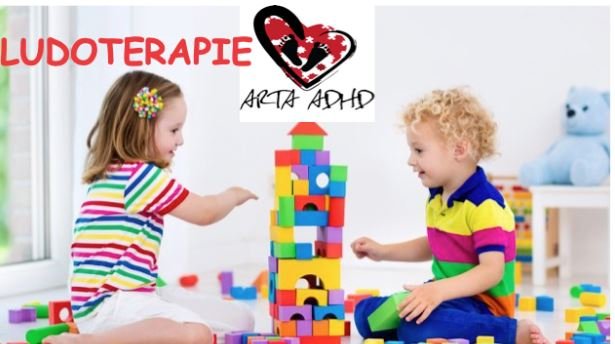
PLAY THERAPY – The Role of Play Therapy in Child Psychology: The Benefits of Psychological Intervention at the Child Level
In the world of psychology, traditional therapeutic methods often cater to the needs and communication styles of adults. However, when it comes to addressing the emotional and psychological state of children, a different approach is needed—one that speaks their language and meets them where they are. Enter play therapy, a powerful intervention method facilitated by specialized professionals known as play therapists. In this article, we will explore the role of play therapy in child psychology, highlighting its many benefits and the transformative impact it can have on young minds.
Understanding Play Therapy
At its core, play therapy is a form of psychotherapy specifically designed to engage children in therapeutic processes through play. Unlike regular talk therapy, which can seem rigid and inaccessible to children, play therapy provides a safe and supportive environment in which children can express themselves naturally, using toys, games, and creative activities as language.
The Play Therapist: Promoting Growth Through Play
Central to the practice of play therapy is the play therapist, a professional specializing in child psychology, development, and therapeutic techniques. Play therapists have a deep understanding of the importance of play in a child's life and use this knowledge to facilitate healing and development.
The Benefits of Play Therapy for Children
- Emotional Expression: Play therapy provides children with a nonverbal way to express their complex emotions and experiences that may be difficult to articulate verbally. Through play, children can process and understand their feelings, promoting emotional resilience and self-knowledge.
- Problem Solving Skills: Participating in imaginary play scenarios allows children to explore different perspectives, develop problem-solving skills, and learn to navigate social interactions. These experiences lay the foundation for adaptive coping strategies and healthy interpersonal relationships.
- Recovery After Trauma: For children who have experienced trauma or adversity, play therapy can be instrumental in promoting healing and recovery. By exploring traumatic events in a safe and controlled environment, children can gradually process and integrate their experiences, reducing symptoms of anxiety, depression, and post-traumatic stress.
- Behavioral Modification: Play therapy techniques, such as role-playing and behavioral rehearsal, provide opportunities for children to practice new behaviors and coping mechanisms in a supportive environment. By reinforcing positive behaviors and addressing underlying issues, play therapists help children develop more adaptive ways of interacting with the world around them.
- Improved Communication: Play therapy promotes communication and trust between children and therapists, creating a therapeutic bond based on empathy and understanding. As children feel seen and heard in the context of play, they become more open to sharing their thoughts, feelings, and experiences, paving the way for significant therapeutic progress.
Conclusion
In the field of child psychology, play therapy stands out as a versatile and effective intervention method, offering children a unique avenue for self-expression, exploration, and growth. By embracing the power of play, play therapists unlock the potential for healing and transformation in young minds, laying the foundation for a brighter and more resilient future. As we continue to recognize the importance of child-centered approaches to mental health care, play therapy remains a beacon of hope, empowering children to thrive in mind, body, and spirit.