The Psychological Impact of the War in Ukraine on Ukrainian Children Emigrating to Romania
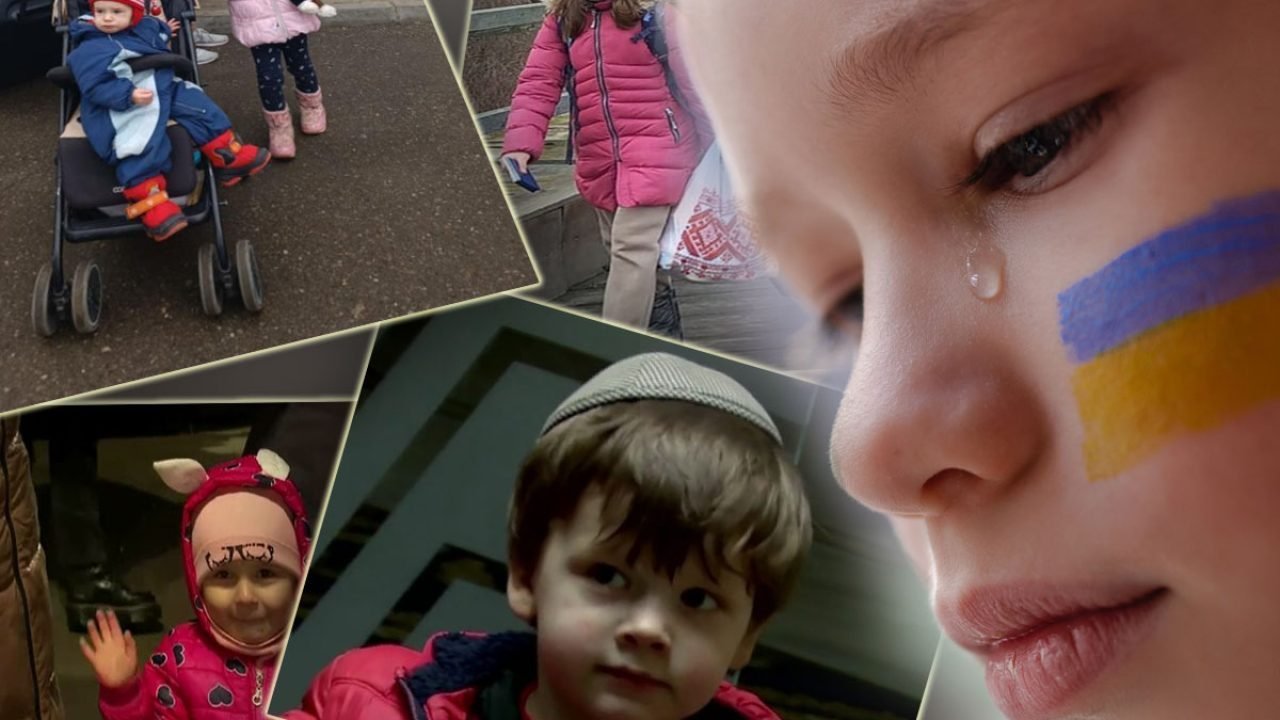
In recent years, the conflict in Ukraine has generated a wave of migration to neighboring countries, and many Ukrainian children have found themselves in the difficult situation of having to leave their homeland and start a new life abroad, including in Romania. The psychological impact of the war on these emigrant children can be profound and complex, with long-term repercussions on their mental health and adaptation to their new reality.
Trauma of War Experience
Children who have lived in the conflict zone in eastern Ukraine or witnessed violence and destruction have been exposed to extreme trauma, which can persist long after they have left the country. These children may suffer from post-traumatic stress disorder (PTSD), with symptoms such as nightmares, flashbacks and persistent anxiety. Adjusting to a new and unfamiliar environment while dealing with painful memories of the war can be extremely difficult and overwhelming for Ukrainian children who have emigrated to Romania.
Loss of Connection with the Known Environment
For many Ukrainian children, emigration to Romania has meant losing touch with their familiar environment, including friends, extended family, and local community. This sense of loss and disconnection can lead to feelings of isolation, sadness, and a lack of belonging. Children may be struck by a strong sense of nostalgia for the life they had before the war, and adapting to a new reality can be a difficult and long process.
Family Tensions and Uncertainties
Emigration and adaptation to a new country can cause tension and conflict within Ukrainian families. The pressure to adapt to a new environment and cope with major changes can amplify stress and anxiety within the family. Also, uncertainty about their future and how they will manage to build a stable and secure life in Romania can be an additional source of worry and anxiety for children and their parents.
Impact on School Performance
For many Ukrainian children who have immigrated to Romania, integrating into the education system can be another difficult aspect of their adjustment. Cultural, linguistic, and curriculum differences can create obstacles to academic success and contribute to feelings of insecurity and lack of confidence in their own abilities. These children may require additional support and special resources to overcome their difficulties and succeed in the school environment.
Help and Support Strategies
To address the psychological impact of war on Ukrainian children who have emigrated to Romania, it is crucial to provide adequate support and resources. These may include:
- Individual or family counseling and therapy to help children and parents cope with trauma and adjustment difficulties.
- School support programs and additional educational resources to help children improve their academic performance and successfully integrate into the school environment.
- Community support groups and recreational activities to provide children with a safe and supportive space to express their emotions, develop social skills, and build support networks.
- Raising awareness and educating the community about the needs and experiences of Ukrainian emigrant children, promoting empathy and solidarity among community members.
Conclusion
The psychological impact of the war in Ukraine on Ukrainian children who have emigrated to Romania is complex and profound, affecting their mental health, adjustment and overall well-being. By providing appropriate support and specialized resources, we can help these children overcome their trauma and adjustment difficulties and rebuild their lives in a positive and constructive way in their new country of residence.