Artificial Intelligence (AI) – Impact on Psychological Development and Cognition
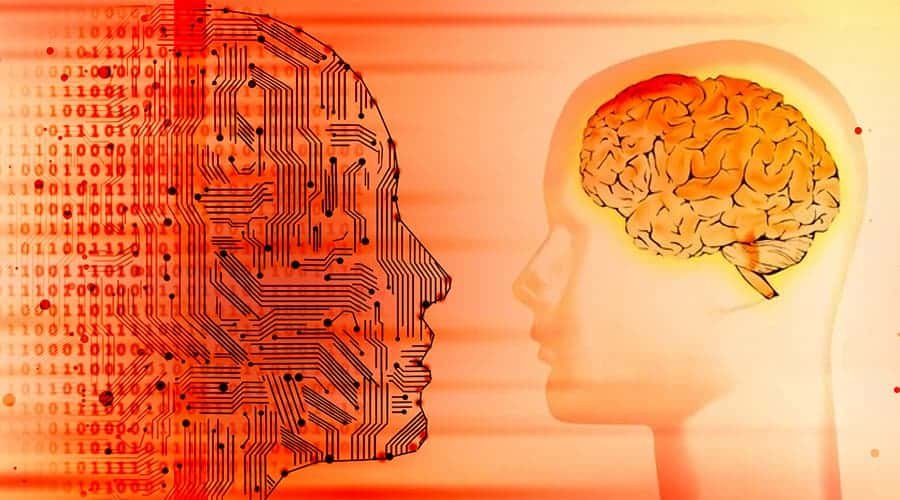
In the modern era of technology, Artificial Intelligence (AI) is becoming increasingly ubiquitous, significantly influencing the psychological and cognitive development of new generations. As AI technologies become more sophisticated and integrated into everyday life, it is important to analyze how they can affect the psychological and cognitive aspects of the individual.
Psychological Impact:
1. Social Relation and Empathy: Extensive use of AI technology may affect children's ability to establish and maintain authentic interpersonal relationships. It is essential for parents and educators to facilitate face-to-face interactions and promote empathy and understanding in social relationships.
2. Technology Addiction and Technology Stress: Overuse of AI technology can lead to addiction and anxiety related to excessive use of digital devices. It is important for parents and professionals to monitor and manage screen time and promote a balance between technology use and offline activities.
3. Ethics and the Impact on Self-Image: The development of AI technology may raise questions about ethics and the impact on an individual's self-image. It is crucial that parents and professionals discuss these issues and promote responsible and conscious use of AI technology.
Cognitive Development:
POSITIVE:
1. Improving Education: Studies show that AI can personalize the learning experience, providing content tailored to the specific needs of each student. By analyzing student behavior and performance, AI systems can provide personalized feedback and suggestions, thus optimizing the learning process.
Recent studies have shown that using AI technology in education can significantly improve students’ academic performance. For example, a study by SRI International found that students who used AI-based educational programs saw significant increases in their test scores compared to those who received traditional instruction. [Source: SRI International]
2. Stimulating Creativity: With the help of AI, children can be exposed to new ways of thinking and innovative solutions. AI technologies can serve as tools for generating ideas and exploring creativity in various fields, from art and music to science and design.
There is research showing that AI technology can boost creativity. For example, a study by Rutgers University found that using AI algorithms in the artistic creation process can encourage the exploration of new ideas and increase levels of innovation. [Source: Rutgers University]
3. Developing Advanced Cognitive Skills: AI applications can provide cognitive challenges and activities tailored to children's developmental level, helping them improve their problem-solving, critical thinking, and decision-making skills.
Another study by Stanford University showed that using AI-based educational games can improve children's cognitive skills, such as critical thinking, problem-solving, and decision-making. [Source: Stanford University]
NEGATIVE:
While Artificial Intelligence brings with it a number of benefits, there are also a number of negative effects on psychological development and cognition in new generations. Here are some ways AI can negatively influence the individual:
„"Not Using" the Brain:
1. Technology Addiction: Excessive use of AI technology can lead to a reduction in cognitive activities and critical thinking as individuals become dependent on intelligent systems to solve problems and make decisions.
A study by researchers at the University of California, Los Angeles (UCLA) has shown that too much technology use can lead to a reduction in brain activity, especially in regions associated with critical thinking and problem solving. [Source: UCLA Newsroom]
2. Atrophy of Cognitive-Intellectual Abilities: Technology addiction can lead to the underdevelopment of essential cognitive skills, such as memory, critical thinking, and problem solving, because individuals are no longer required to actively use them.
Dr. Maryanne Wolf, a neuroscientist and author of „Reader, Come Home: The Reading Brain in a Digital World,” has highlighted that excessive use of technology can lead to atrophy of certain cognitive skills, such as memory and critical thinking. [Quote: Dr. Maryanne Wolf]
Homework and Projects Made Only with AI:
1. Lack of Creativity and Originality: Relying primarily on AI to complete assignments and projects can limit individuals' creativity and originality, as they rely on solutions presented by algorithms without developing their own ideas and perspectives.
A study published in the journal Frontiers in Psychology found that excessive use of technology in education can negatively affect creativity and originality, as students become dependent on solutions presented by intelligent systems. [Source: Frontiers in Psychology]
2. Reduction of Teamwork Skills: Collaboration between colleagues and human interaction in project work are essential for developing social skills and the ability to work in a team, aspects that may be negatively affected by the predominant use of AI in academic work.
Dr. Pamela Rutledge, director of the Center for Media and Applied Psychology, pointed out that excessive use of technology can lead to a reduction in teamwork and communication skills as individuals become less willing to interact face-to-face. [Quote: Dr. Pamela Rutledge]
Loss of Research and Synthesis Skills:
1. Decreased Information Search and Analysis Capacity: Frequently using AI to provide information can lead to a decrease in the individual's ability to seek and evaluate information independently, which can affect their ability to understand and interpret the world around them.
A study by researchers at Yale University found that excessive use of technology can lead to a decline in information-seeking and analysis skills, as individuals become less willing to seek out and evaluate information on their own. [Source: Yale University]
2. Reduction of the Synthesis and Extraction Capacity of the Essential: Using AI to obtain already processed and synthesized information can hinder the development of skills to extract the essential and synthesize information independently.
Dr. Nicholas Carr, author of the book „The Shallows: What the Internet Is Doing to Our Brains,” argued that excessive use of technology can affect individuals’ ability to synthesize and extract the essentials from information, as they become dependent on the information processed and presented by technology. [Quote: Dr. Nicholas Carr]
„"Anything in excess is harmful." - Plato
„"The excessive use of anything makes us slaves, because it deprives us of freedom." - Seneca
The Role of the Psychologist:
These positive and negative effects show how important it is to know how to use AI. It is essential to promote a balanced and conscious approach to the use of AI technology, so that it becomes a supporting tool, and not an obstacle, in the personal and cognitive development of the individual, turn to a specialist for support.
The psychologist plays a crucial role in facilitating a healthy and balanced approach to AI technology in the individual's life:
1. Counseling and Guidance: The psychologist can provide personalized counseling and guidance to help individuals understand and manage the impact of AI technology on their psyche and behavior.
2. Promoting Digital Skills: The psychologist can facilitate the development of digital skills and critical awareness regarding the use of AI technology, helping individuals make informed decisions and navigate the digital world responsibly.
3. Education and Information: The psychologist can play an important role in educating parents, educators, and the community at large about the impact of AI technology on children's psychological and cognitive development, providing strategies and resources to manage this impact in a healthy and constructive way.
In conclusion, AI technology has significant potential to influence the psychological and cognitive development of new generations. By understanding and appropriately managing this impact, along with the active involvement of psychologists and other mental health professionals, we can ensure that AI technology becomes a beneficial and supportive tool in the personal and cognitive development of the individual.