How to avoid post-holiday depression and anxiety
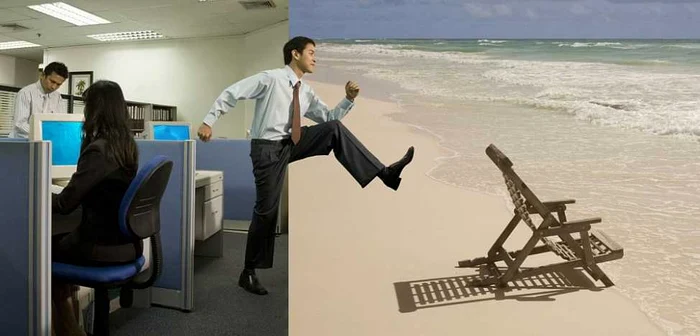
Returning from a vacation or holiday can be a difficult time for many people, as they have to make the transition from relaxation and fun to daily routine and responsibilities. This process can be accompanied by feelings of sadness, anxiety and stress, a phenomenon known as "post-holiday depression". To avoid these unpleasant states and to make the return to daily routine easier and more enjoyable, Psychologists recommend adopting a simple strategy: planning your next vacation. This method, based on scientific research, can be an effective tool for maintaining mental and emotional well-being during the return from vacation.
Scientific studies:
A recent study published in the Journal of Happiness Studies looked at the effects of planning your next vacation on mood and stress levels in people returning from vacation. Researchers recruited a sample of 500 adults returning from vacation and divided them into two groups: a group that was encouraged to plan and book their next vacation in advance, and a control group that was not instructed to do so. The participants were then assessed upon their return from vacation and a month later.
The group that planned the next vacation presented:
1. Lower stress levels: Participants who had already planned their next vacation reported lower levels of stress and anxiety when returning to their daily routines, compared to the control group. For example, one participant, Alex, 35, noted that planning a getaway to the mountains with his family significantly reduced the anxiety he felt about returning to the office.
2. Improved moods: People who already had another vacation planned reported higher moods and overall life satisfaction in the weeks following their return from vacation. For example, 40-year-old Maria noted that anticipating her next vacation to an exotic city brought a sense of joy and anticipation to her daily life.
3. Increased motivation: Planning for the next vacation provided participants with a sense of anticipation and motivation to achieve their daily goals, including transitioning back to work. For example, 30-year-old Robert set a vacation to an exotic destination as a reward for his professional achievements and felt that this goal motivated him to complete his daily tasks with more enthusiasm.
These findings suggest that planning your next vacation may be a crucial factor in maintaining your mental and emotional well-being after returning from a period of rest and relaxation. By implementing this simple strategy, you can keep your mood elevated and reduce your stress and anxiety levels while returning from your vacation.
SO PLAN YOUR NEXT VACATION
Other tips to avoid/relieve post-holiday depression:
After the holiday period, it is essential to gradually adapt to returning to your daily routine to avoid post-holiday depression and anxiety. An effective method is give yourself two days of transit at home before returning to your usual activities. During this time, you can plan your return-to-work strategies and gradually reconnect with your daily responsibilities. Start by checking your emails and professional correspondence, but do so gradually, without overexerting yourself.
Once you're back home, don't neglect the beautiful memories from your vacation. Reviewing photos and videos It helps you remember the good times and keep your spirits up. Sharing your vacation experiences with your colleagues can create a relaxed atmosphere at work and help you reconnect with them.
Returning to your daily routine can be easier if you maintain your healthy exercise habits. Physical exercises helps you cope with stress and combat symptoms of post-holiday depression, such as fatigue and irritability. Even a short walk every day can have a positive impact on your well-being.
When returning to your regular schedule, try to find your proper sleep and eating rhythm. A restful sleep and regular meals contribute to maintaining mental and emotional balance. Avoid eating heavy meals before bed and make sure you get enough rest to start the day fresh and energetic.
By applying these tips and adopting a balanced approach, you can make the transition from vacation to daily routine easier and more enjoyable, thus avoiding post-holiday depression and anxiety. Prioritize your mental and emotional health and give yourself the time you need to gradually adapt to the new conditions.