Special psychopedagogy

Special education is a branch of education that deals with the study and intervention of children with special educational needs. These children may have various impairments, such as intellectual disabilities, learning disabilities, behavioral disorders, or other conditions that may affect their development and learning. Special education aims to identify and remediate these impairments, taking into account the individual needs of each child.
Here are some key aspects about special education:
- Individual needs assessment: Before beginning any intervention, the psychologist conducts thorough assessments to identify the specific needs of each child. These assessments may include psychological tests, observations, interviews with parents, and other specific tools.
- Intervention planning: Based on the assessments, personalized intervention plans are developed for each child. These plans may include educational goals, adapted learning strategies, and specific methods to address deficiencies.
- Interdisciplinary collaboration: Special education psychologists often work in close collaboration with other professionals. At my office, thanks to the professional certifications held, the child will benefit from a psychologist, speech therapist, occupational therapist, and many other skills, thus providing a multi-domain approach.
- Specific technologies and resources: In the digital age, special education teachers can use adaptive technologies to support the learning of children with special needs. These may include online learning programs, educational apps, or other technological tools.
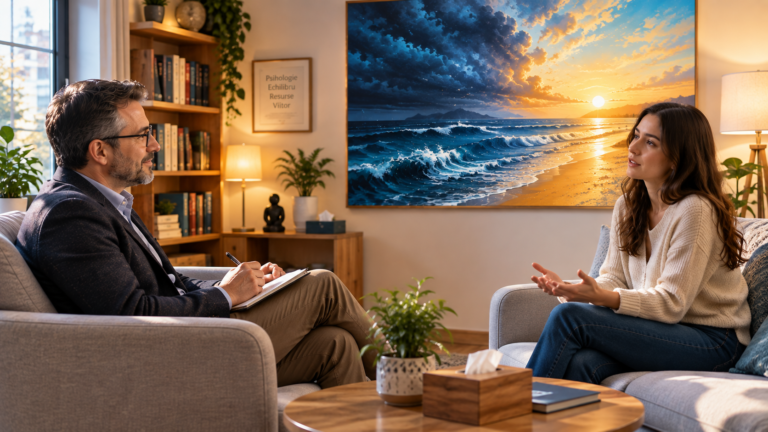
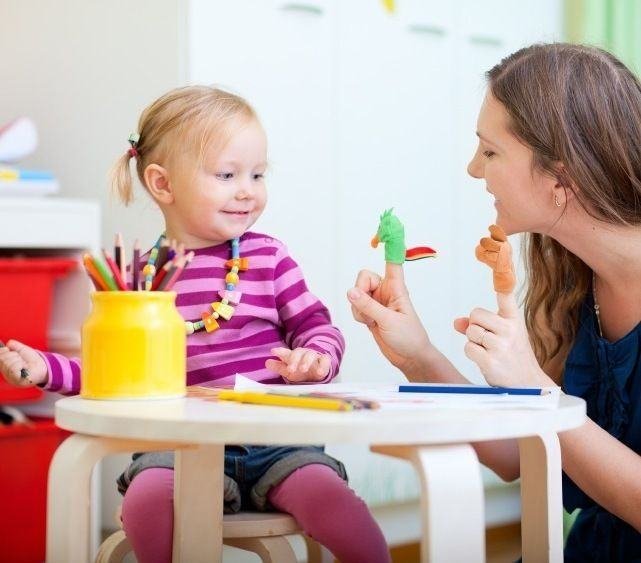
- Psychotherapeutic therapies and interventions: Within special education, various psychotherapeutic methods are used to address emotional and behavioral issues. Therapies may include cognitive behavioral therapy, play therapy, art therapy, or music therapy, depending on the individual needs of the children.
- School inclusion: An important goal of the office is to facilitate the inclusion of children with special needs in the regular educational environment, when possible.
Special education is a dynamic, constantly evolving field that adapts to new discoveries in neuroscience, educational technology, and intervention practices. It is essential to address children's needs with an individualized perspective and implement effective strategies to support their development.