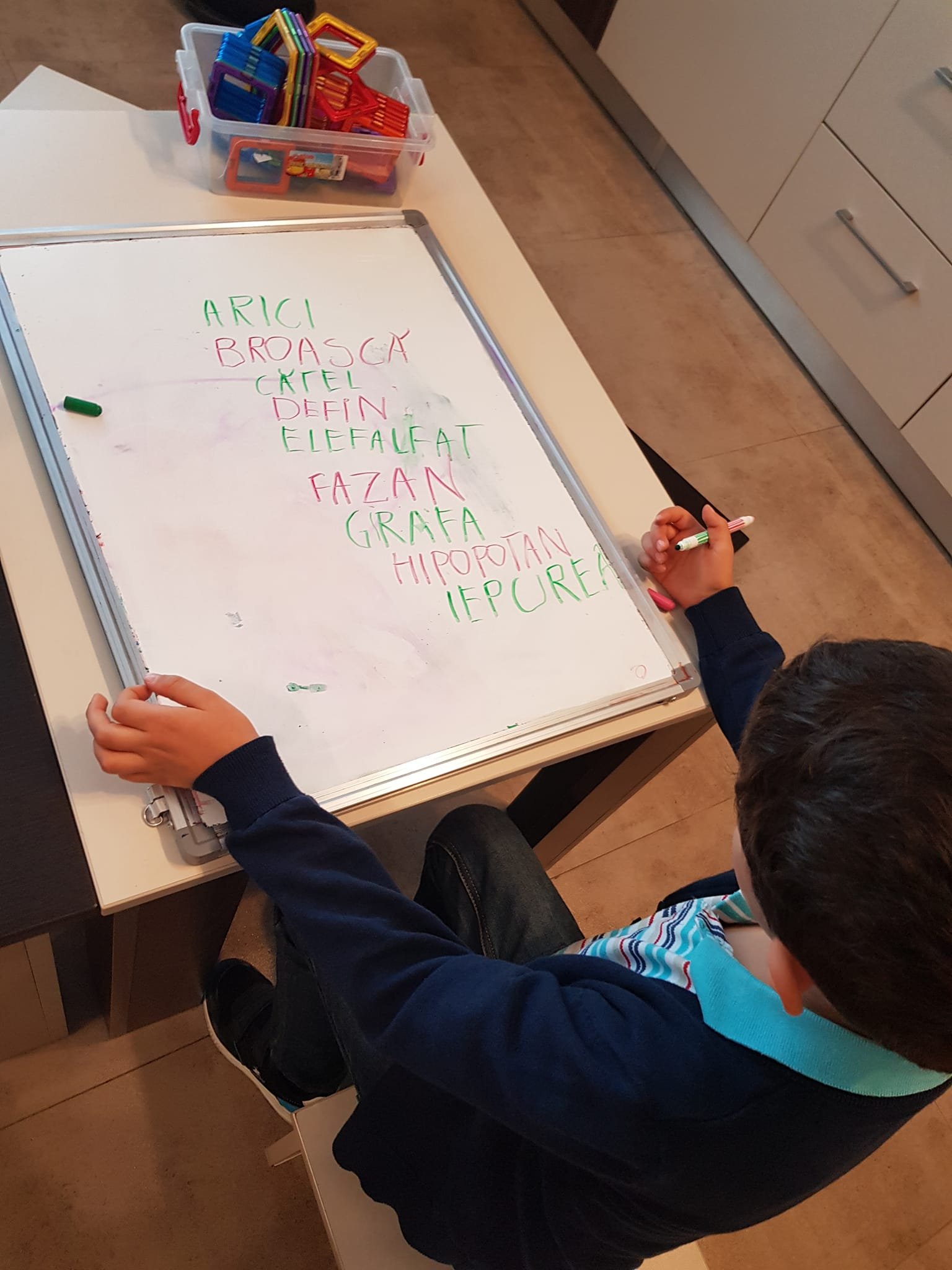
Teaching methods for learning to read

There are various teaching methods for teaching reading, each with its own advantages and disadvantages. Here are some of the most common methods:

Phonics Method:

Description: Focuses on learning the sounds (phonemes) associated with each letter or group of letters and combining them to form words.

Benefits: Develops skills in decoding unknown words and improves correct pronunciation.

Disadvantages: Can be difficult for children who have trouble with individual sounds.

Whole Language Method:

Description: Emphasizes global understanding of texts, learning whole words, and using context to understand meaning.

Advantages: Creates a more natural and enjoyable reading experience.

Disadvantages: Can lead to difficulty recognizing unfamiliar words and problems decoding.

Syllabic Method:

Description: Learning to read by breaking words into syllables and combining them.

Advantages: Helps understand word structure and makes reading longer words easier.

Disadvantages: May be less effective for languages with complex syllabic structure.

Vocabulary-Based Method (Sight Words Method):

Description: Focuses on memorizing a set of common words that do not follow usual phonetic rules.

Benefits: Improves reading fluency by quickly recognizing common words.

Disadvantages: Requires memorization and does not develop decoding skills.

Multisensory Method:

Description: Uses different senses (sight, hearing, touch) to help learn to read.

Advantages: Suitable for children with learning difficulties, such as dyslexia.

Disadvantages: May require more time and resources to implement.

Narrative Method (Storytelling Method):

Description: Use stories and narratives to stimulate children's interest and help them understand and memorize words.

Advantages: Makes learning more engaging and relevant for children.

Disadvantages: May not focus enough on technical reading skills.

Integrating these methods can create a balanced learning program that meets the varied needs of children.

Each child is unique, so adjusting the methodology to their individual learning style and pace is essential for successful reading learning.


Similar Posts

  • |

    Dysthymia

    Dysthymia — now clinically called Persistent Depressive Disorder — is one of the most underdiagnosed forms of mental suffering, precisely because it doesn't look like a crisis. It doesn't have the dramatic episodes of major depression, it doesn't suddenly stop someone's life — it sets in slowly, it becomes familiar, and over time, many people come to mistake it for their own personality. "That's just me" becomes the explanation for something that is, in fact, a treatable disorder.

  • |

    Bipolar Disorder

    Bipolar Disorder is one of the most severe and, at the same time, most commonly simplified mental disorders in popular culture — often reduced to "mood swings" or used colloquially for any emotional inconsistency. The clinical reality is much more complex: it involves distinct episodes of mania or hypomania and depression, with a profound impact on life, relationships, and functioning — but, with the right combination of treatment (medication and therapy), a stable and meaningful life is possible.

  • |

    Chronic Nightmares

    Occasional nightmares are part of the normal human experience. But when they become frequent, intense, and persistent—affecting sleep quality, daytime mood, and sometimes even the desire to go to bed—they become a real clinical problem with a specific name: Nightmare Disorder. It is one of the few sleep disorders with a specific psychological treatment, with documented results, but rarely known or recommended.

  • |

    Psychotic Episodes

    A psychotic episode is one of the most disorienting experiences a human mind can experience—and, at the same time, one of the most feared and stigmatized in public perception. The clinical reality is more nuanced than the popular image: psychotic episodes can arise from a variety of causes, many people recover fully after a first episode, and early intervention fundamentally changes the prognosis.

  • |

    tetra

    Tetraparesis — the partial reduction of muscle strength in all four limbs — radically changes a person's life, not only physically, but also psychologically, relationally, and existentially. Medical and physiotherapy recovery are essential, but equally essential, although much less frequently discussed, is the psychological process of adapting to a profoundly changed life.